The Problem of Terminal Auditory Overload
In conventional airport designs, passengers are subjected to continuous sound spikes ranging from 75 to 90 decibels. Recurring boarding calls, mechanical HVAC roar, baggage carts, and hard ceramic floor reflections trigger chronic sympathetic nervous system activation, elevating serum cortisol and inducing travel stress.
Pioneering the Silent Airport Policy
Hubs like Helsinki (HEL), Munich (MUC), Zurich (ZRH), and Singapore (SIN) adopted strict silent airport protocols. Public announcements are limited strictly to emergency notifications and individual gate alerts localized to within 10 meters of the boarding podium.
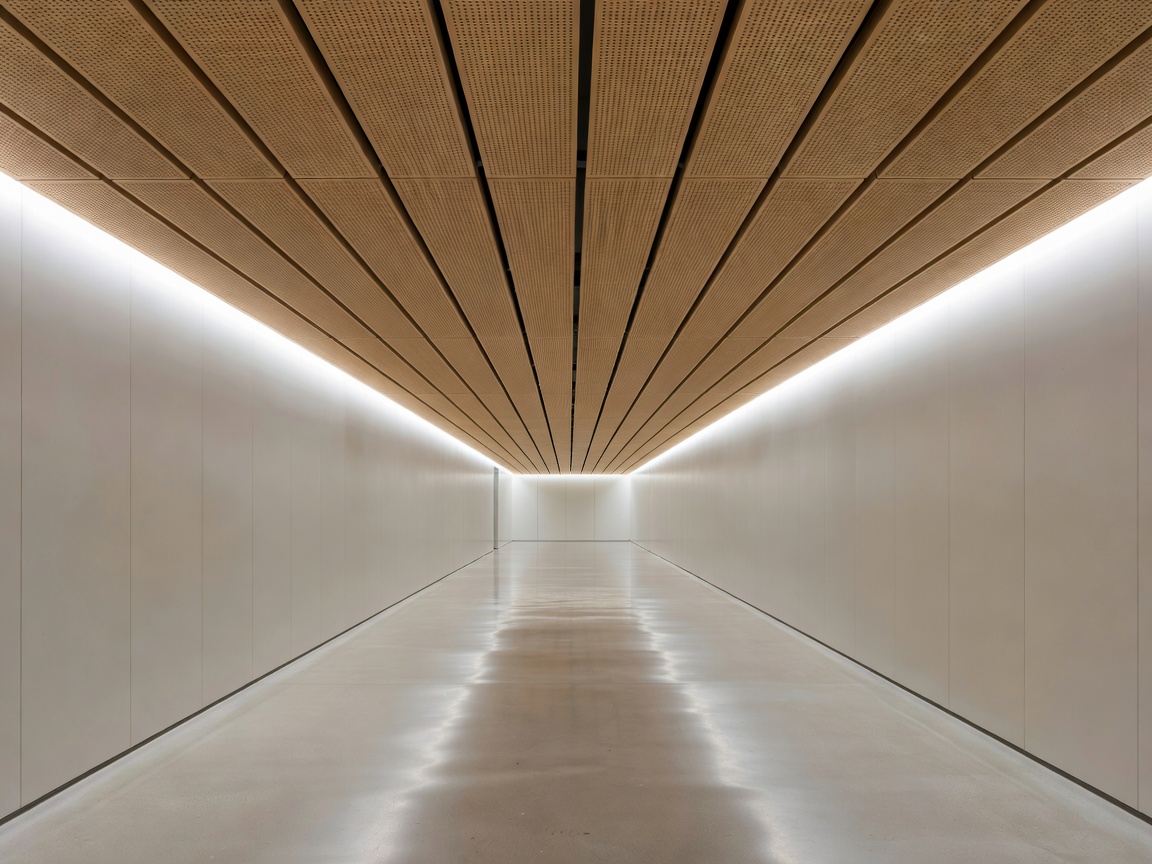
"By dampening acoustic reflections using micro-perforated timber ceiling panels and live vertical moss walls, ambient terminal decibel levels can be reduced from 78 dB to an ultra-restorative 41 dB."
How to Find Acoustic Sanctuaries in Any Terminal
- Look for Biophilic Buffers: Living plant installations act as natural acoustic diffusers, scattering high-frequency clatter.
- Head to Cul-de-Sac Gate Corridors: Gates located at the extreme ends of finger concourses experience zero transit foot traffic between departures.
- Seek Water Mirrors: Fountains with laminar sheet flow generate gentle broadband pink noise that masks ambient background conversations.